มอง “งานที่มีคุณค่า” ในเศรษฐกิจแพลตฟอร์มผ่านประสบการณ์ของผู้หญิง 
.
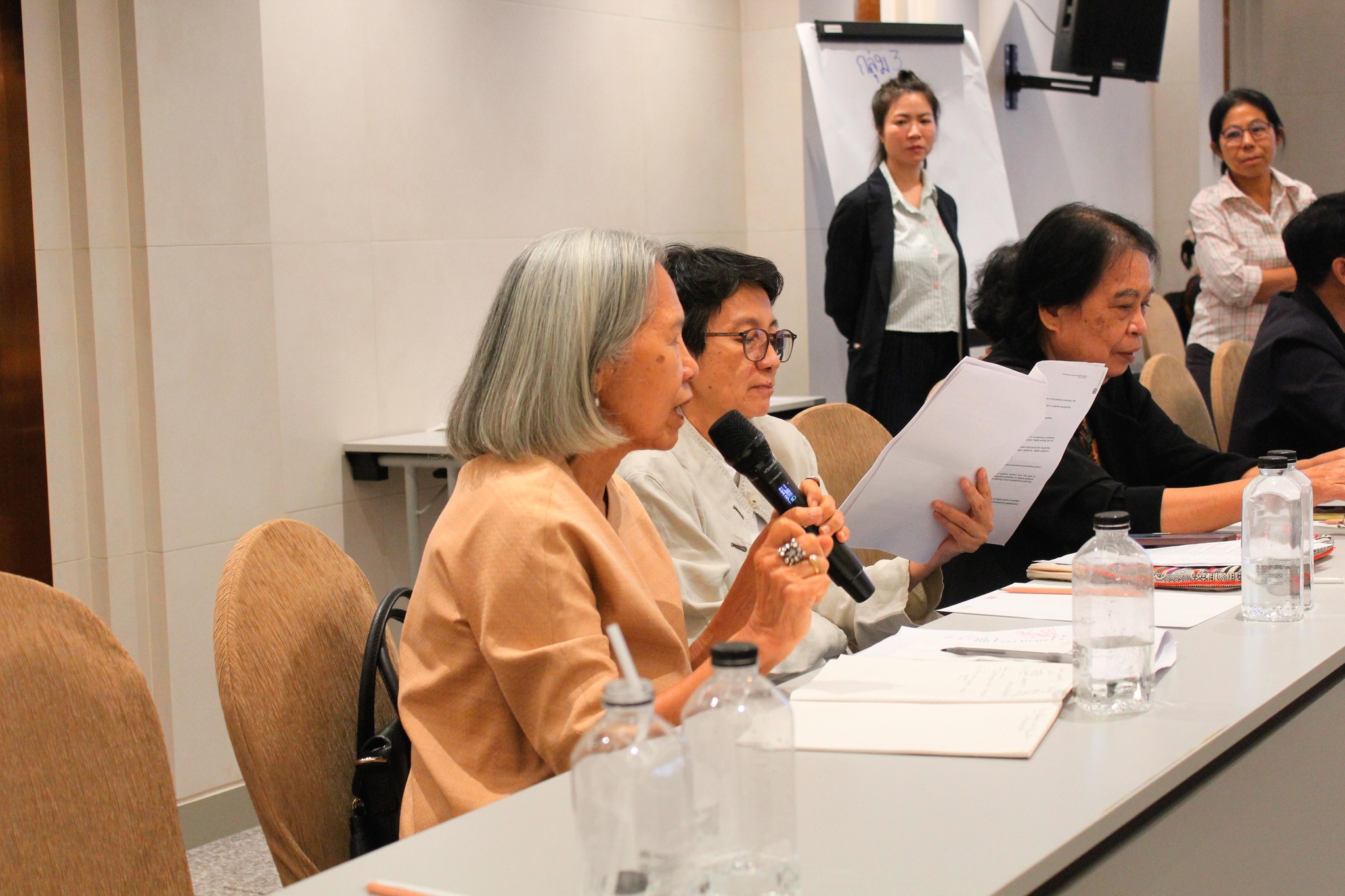
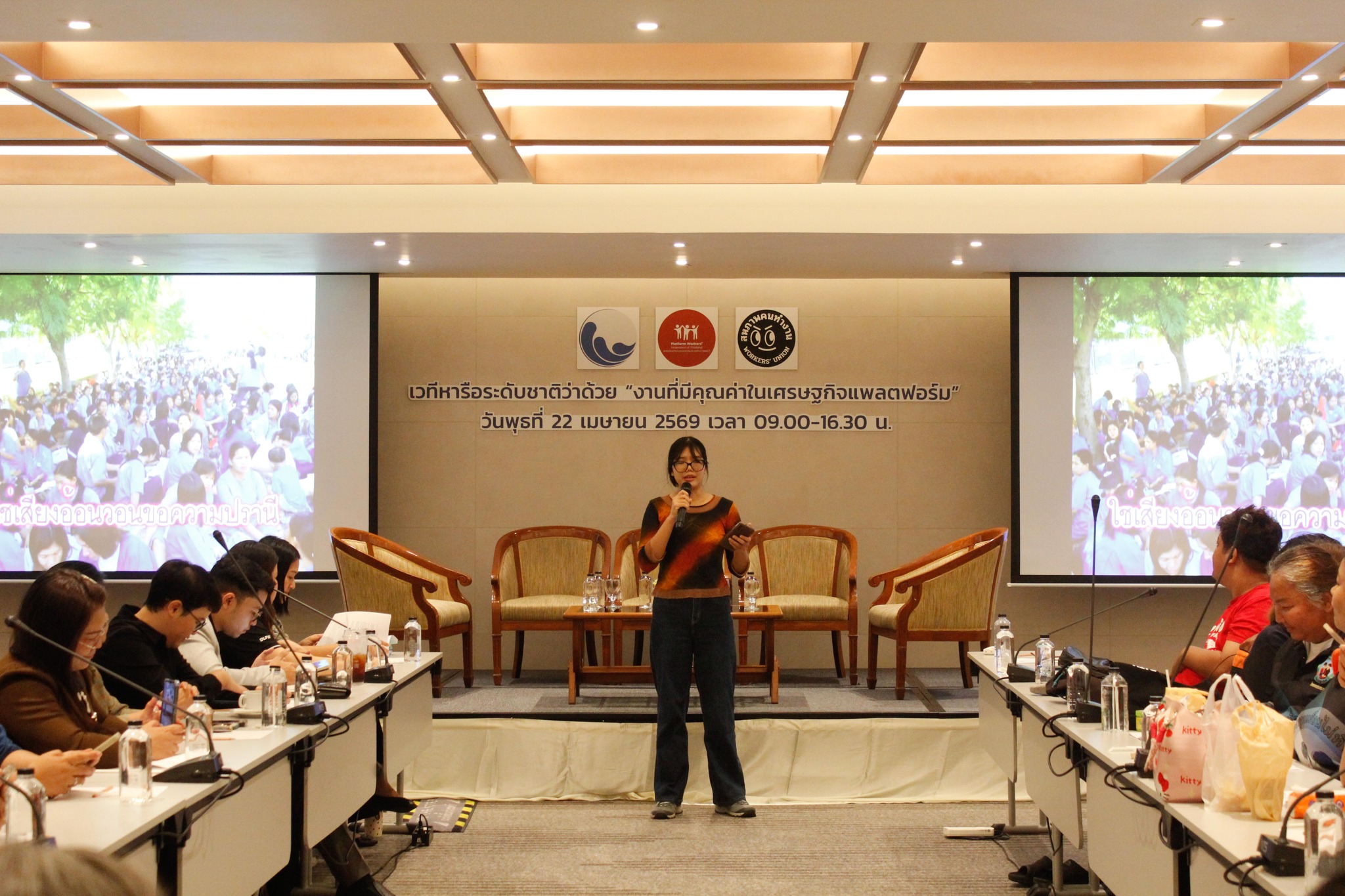
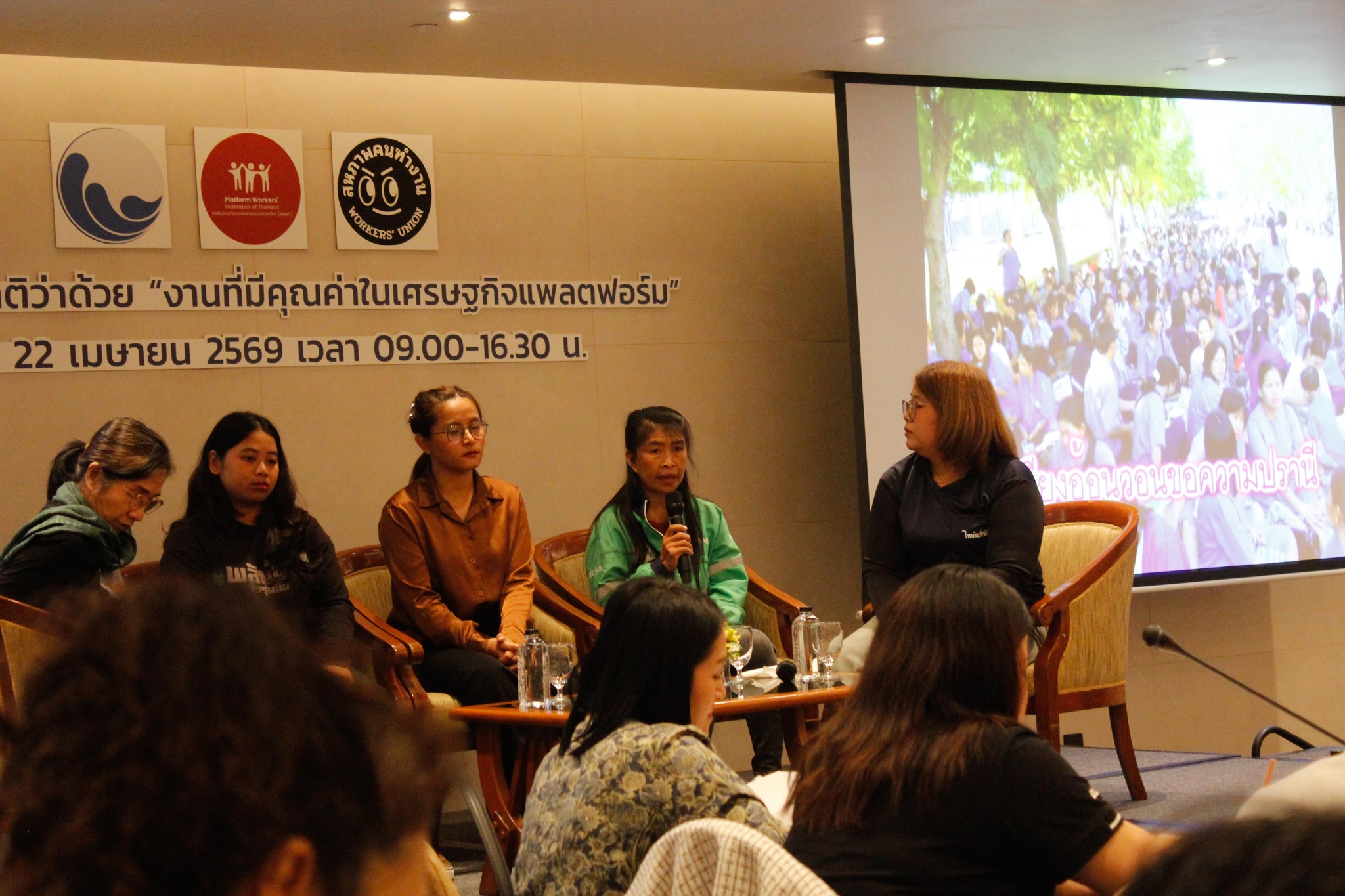
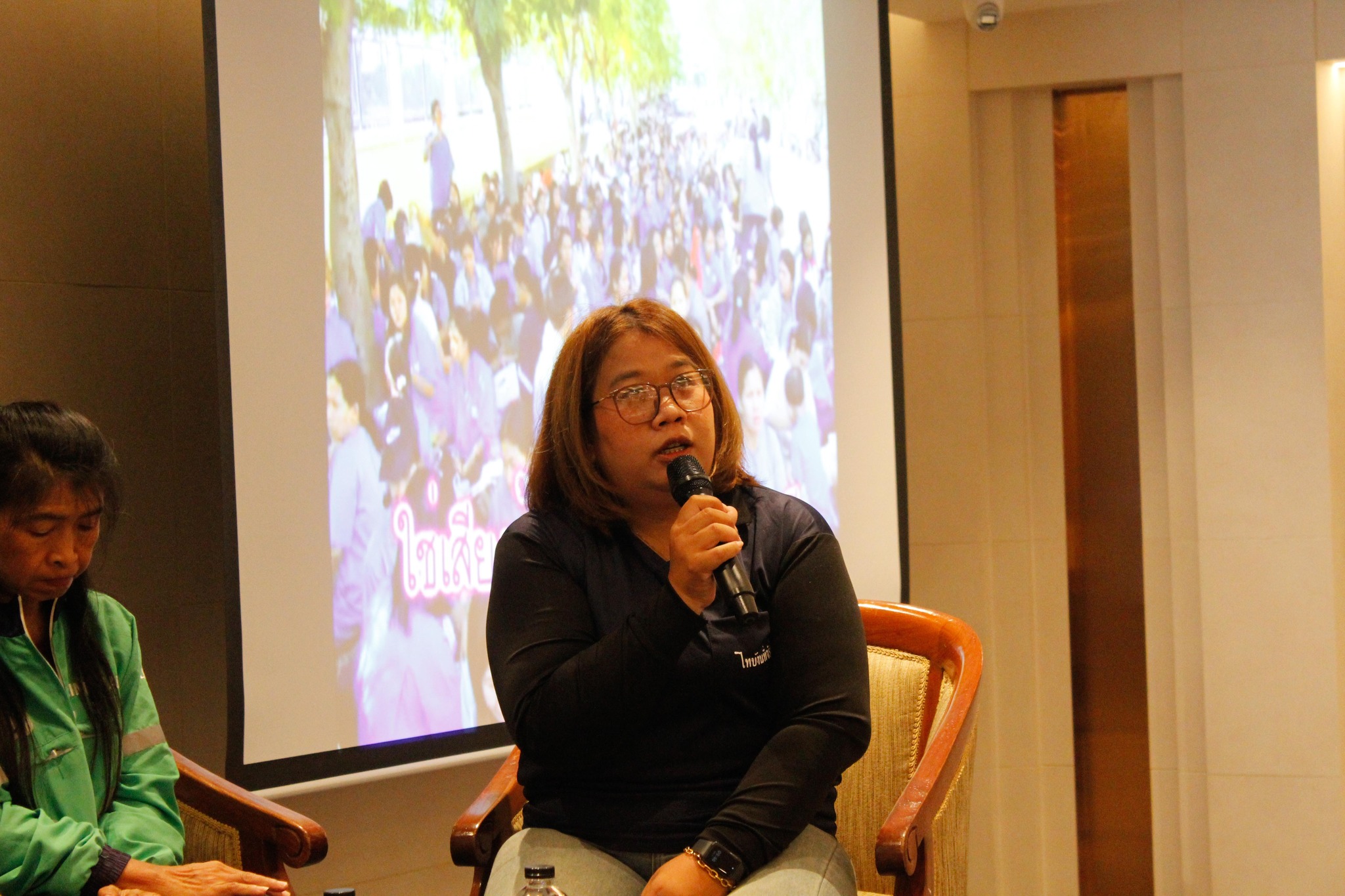
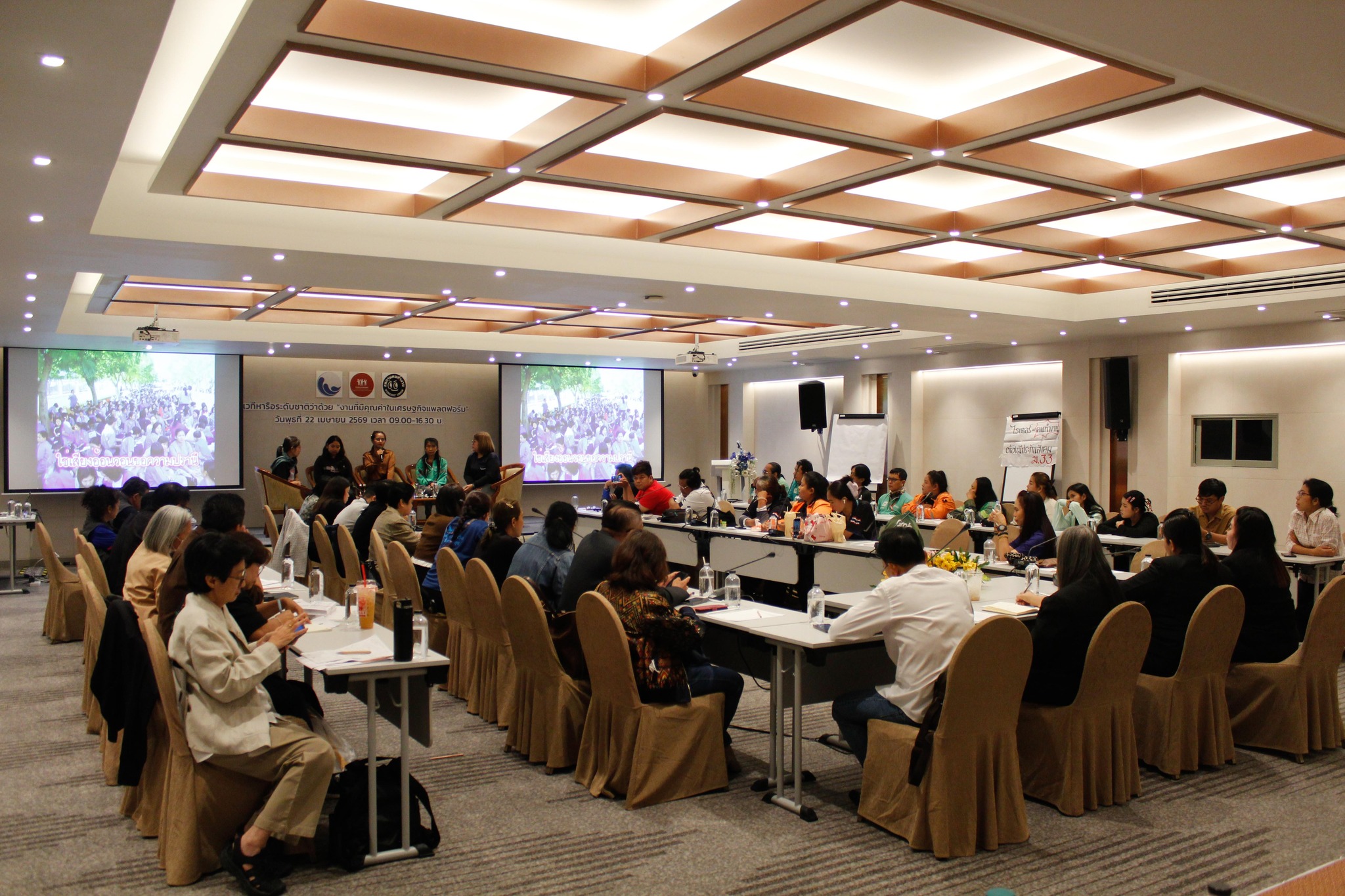
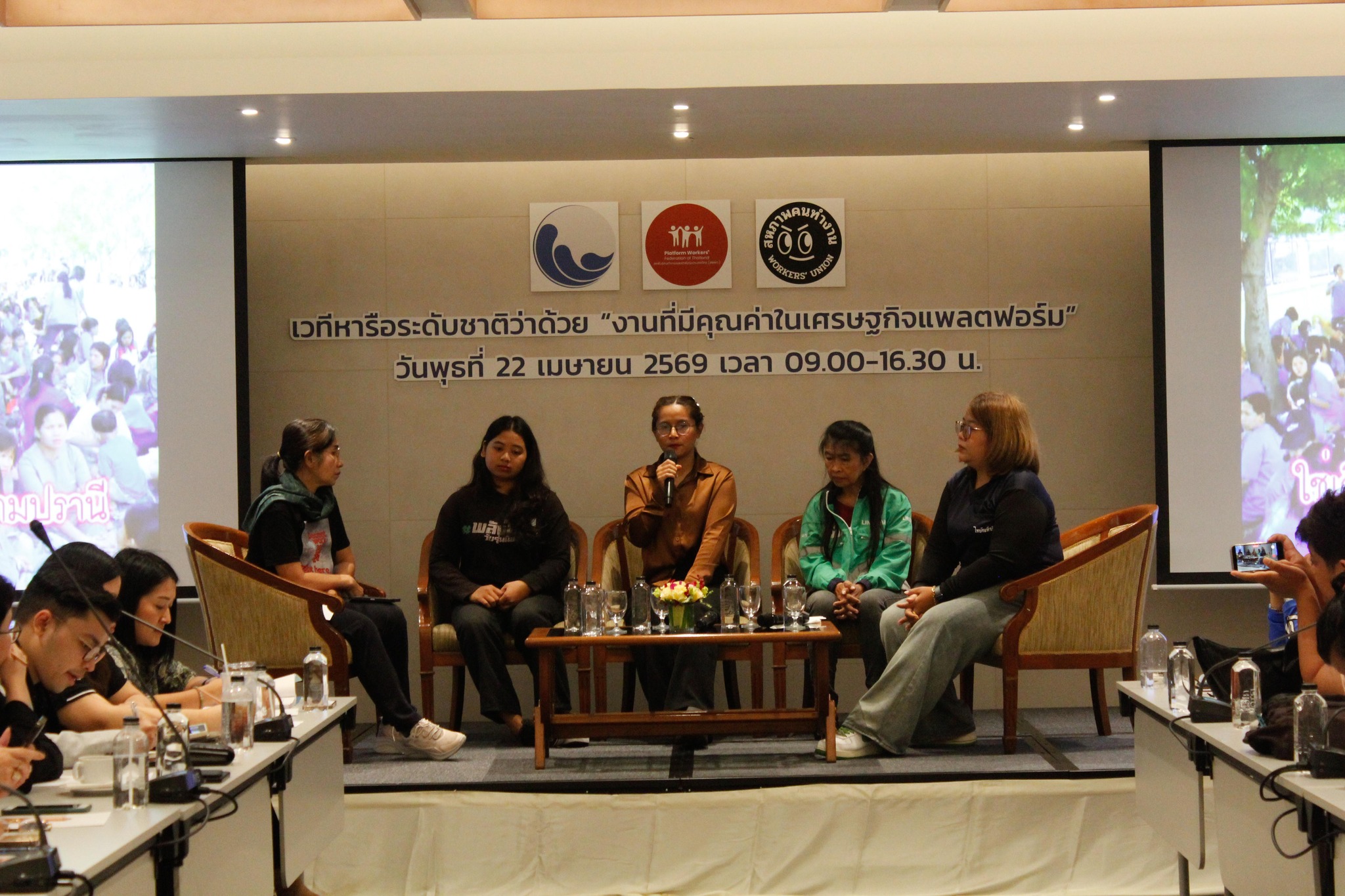
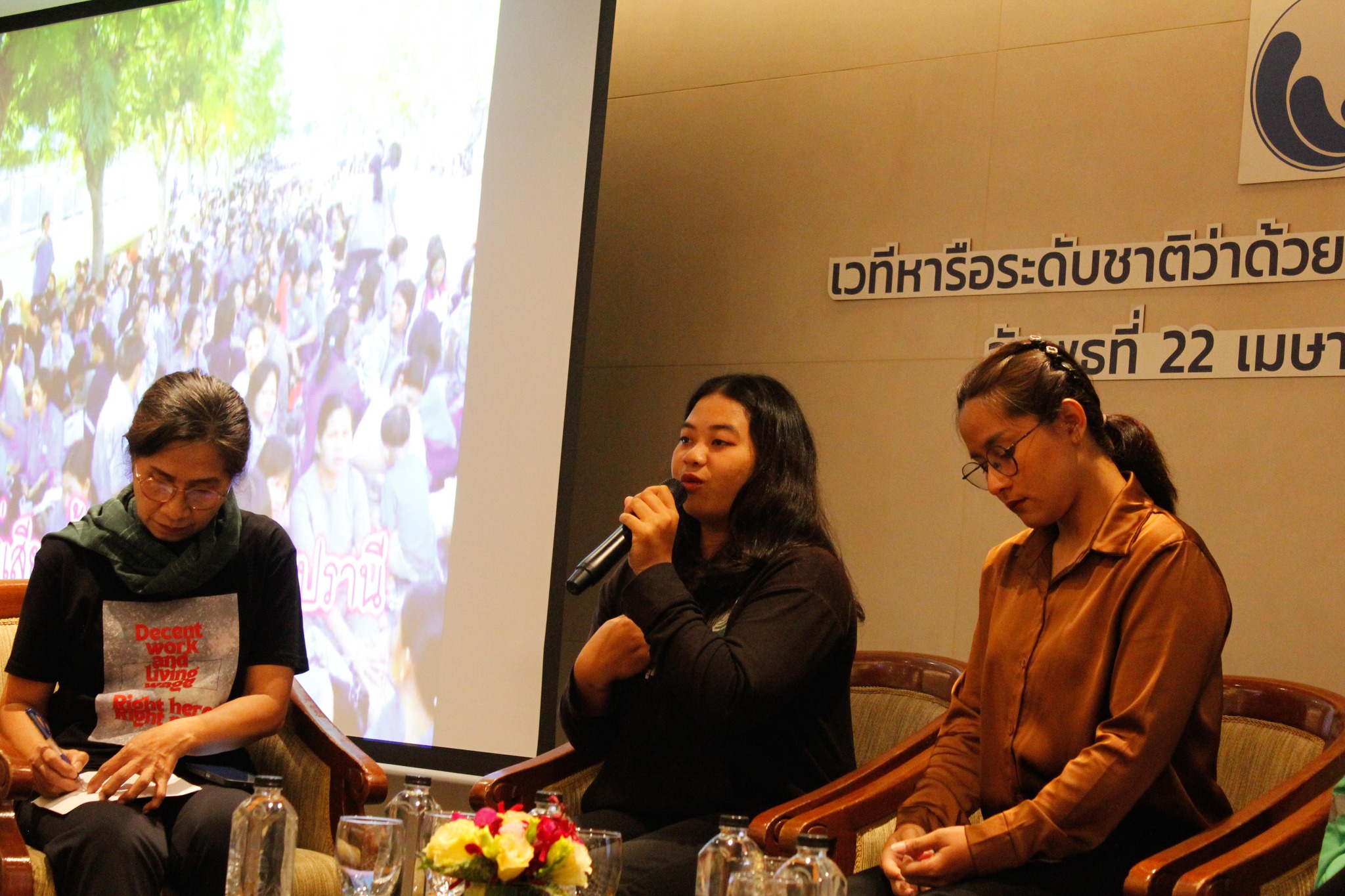
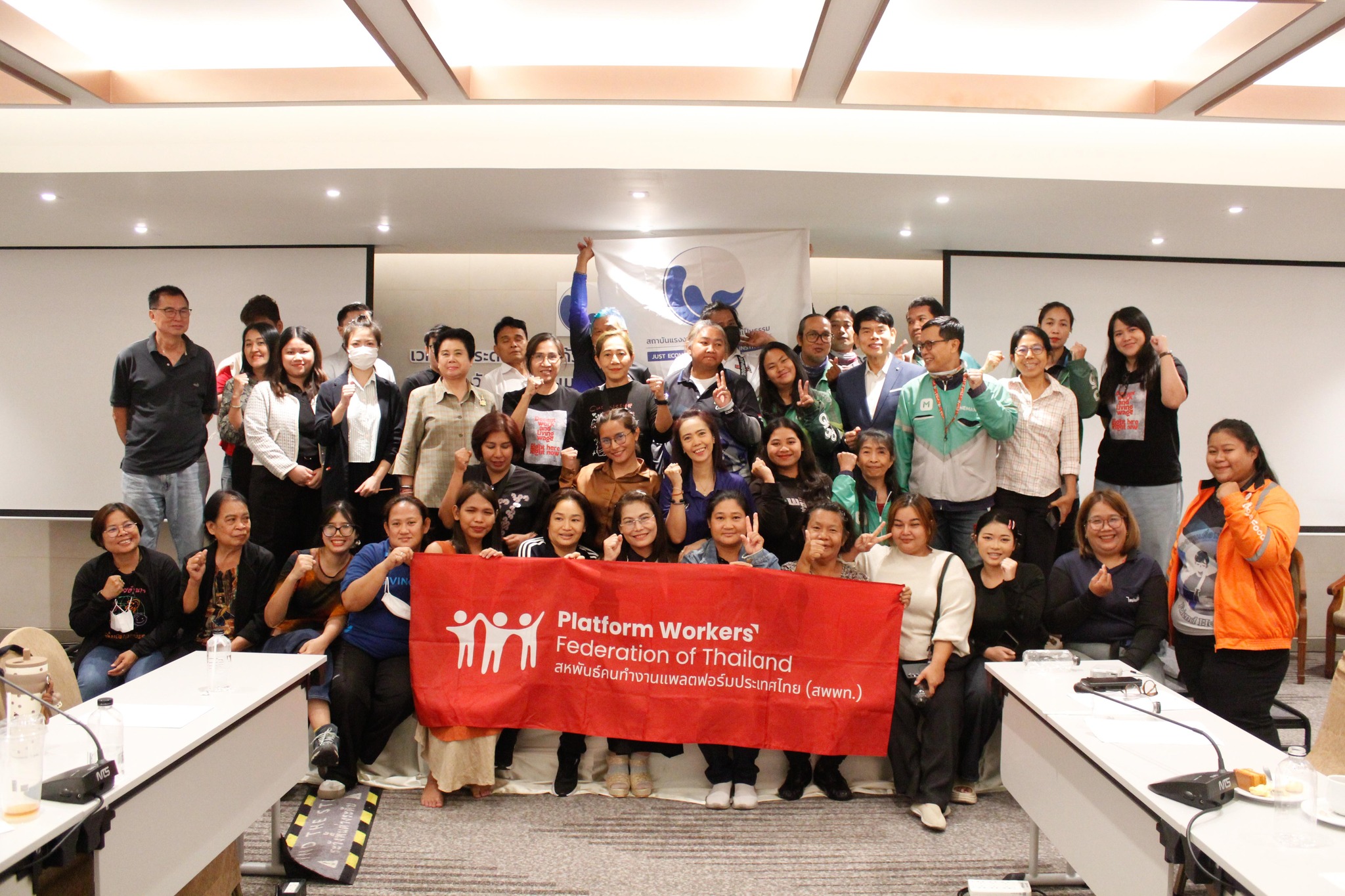
เมื่อวันที่ 22 เมษายน 2569 สถาบันแรงงานและเศรษฐกิจที่เป็นธรรม ร่วมกับ สหพันธ์คนทำงานแพลตฟอร์มประเทศไทย PWOT และสหภาพคนทำงาน Workers’ Union จัดเวทีหารือระดับชาติว่าด้วย “งานที่มีคุณค่าในเศรษฐกิจแพลตฟอร์ม” โดยรวบรวมแรงงานแพลตฟอร์มจากหลากหลายอาชีพ ได้แก่ ไรเดอร์ หมอนวด คนทำงานดูแล แม่บ้าน จากหลายจังหวัดและพื้นที่ พร้อมด้วยตัวแทนจากสหภาพแรงงาน กระทรวงแรงงาน นักวิชาการด้านเฟมินิสต์ และผู้ทำงานด้านแรงงานและสิทธิสตรี เพื่อรับฟังเสียงของผู้หญิงที่ต้องทำงานท่ามกลางความเสี่ยง ทั้งอุบัติเหตุบนท้องถนน การถูกคุกคามทางเพศจากลูกค้า รายได้ที่ไม่แน่นอนและไม่เพียงพอ ระบบช่วยเหลือที่ไม่มีประสิทธิภาพ และการใช้อัลกอริทึมที่ขาดความโปร่งใส
.
หลายครั้งปัญหาที่ผู้หญิงเผชิญมักถูกมองว่าเป็นเรื่องส่วนบุคคล ทั้งที่จริงแล้วมันสะท้อนให้เห็นถึงปัญหาเชิงโครงสร้างของแรงงานแพลตฟอร์ม ไรเดอร์หญิงจากกระบี่ต้องพาลูกวัย 1 ขวบไปทำงานด้วยทุกวัน เพราะไม่สามารถแบกรับค่า daycare ที่สูงถึงวันละ 300 บาท ขณะที่รายได้จากการวิ่งงานตั้งแต่ 8 โมงเช้าถึง 3 ทุ่ม อยู่ที่เพียงประมาณ 500 บาทก่อนหักค่าใช้จ่าย หรือไรเดอร์หญิงจากลาดกระบังที่ถูกลูกค้าพยายามคุกคามทางเพศและทำร้ายร่างกายอย่างรุนแรง เมื่อแจ้งไปยังแพลตฟอร์มกลับได้รับเพียงข้อความอัตโนมัติแสดงความเสียใจ โดยไม่มีความรับผิดชอบหรือการเยียวยาใดๆ และยังต้องดำเนินคดีทั้งหมดด้วยตัวเอง
สิ่งเหล่านี้สะท้อนว่าแรงงานแพลตฟอร์มถูกนิยามให้เป็น “พาร์ทเนอร์” หรือ “แรงงานอิสระ” ทั้งที่ลักษณะการทำงานเสมือนลูกจ้าง ทำให้ถูกกันออกจากสิทธิพื้นฐาน เช่น กองทุนเงินทดแทนกรณีอุบัติเหตุ หรือระบบประกันสังคมที่ครอบคลุมสวัสดิการครอบครัว
.
ในช่วงที่ผ่านมามีข้อเสนอหลากหลายเพื่อเร่งสร้างการคุ้มครอง เช่น การออกกฎกระทรวงเพื่อคุ้มครองไรเดอร์ในการประกันรายได้ กำหนดมาตรฐานค่ารอบและงานพ่วง ฝั่งกระทรวงแรงงานเองก็ผลักดันร่างกฎหมายใหม่ เช่น พ.ร.บ.ส่งเสริมและคุ้มครองแรงงานอิสระ ที่นิยามแรงงานแพลตฟอร์มเป็น “แรงงานกึ่งอิสระ” ซึ่งจะยิ่งทำให้สถานะการจ้างงานถูกบิดเบือนไปจากสภาพความเป็นจริง
.
ในระดับนานาชาติ การคุ้มครองแรงงานแพลตฟอร์มกำลังถูกพูดถึงผ่านร่างอนุสัญญา ILO ว่าด้วยงานที่มีคุณค่าในเศรษฐกิจแพลตฟอร์ม ที่แม้จะมีความพยายามกำหนดมาตรฐานสิทธิแต่ยังมีช่องว่างหลายอย่าง โดยเฉพาะเรื่องสถานะการจ้างงาน ค่าตอบแทน และความรับผิดชอบของแพลตฟอร์ม นอกจากนี้คำถามสำคัญสำหรับประเทศไทยคือ เมื่ออนุสัญญาฉบับนี้ผ่านการรับรองแล้ว รัฐบาลไทยจะลงนามให้สัตยาบันและออกแบบระบบความคุ้มครองในประเทศอย่างไรให้ตอบโจทย์ชีวิตจริงของคนทำงานและมาตรฐานสากลหรือไม่
.
ช่วงท้ายของเวทีเป็นการกำหนดก้าวถัดไป ทั้งการมีส่วนร่วมในเวที ILC เดือนมิถุนายนนี้ การระบุข้อเรียกร้องเร่งด่วน และการวางแผนผลักดันเชิงนโยบาย จากการแลกเปลี่ยนร่วมกันของแรงงาน ภาครัฐ และผู้ทำงานด้านสิทธิ ได้ข้อสรุปร่วมกันว่า
1. แรงงานต้องมี “สถานะที่ชัดเจน” ไม่ใช่พาร์ทเนอร์หรือแรงงานกึ่งอิสระ แต่ต้องได้รับการรับรองในฐานะลูกจ้าง เพื่อให้เข้าถึงสิทธิและการคุ้มครองตามกฎหมายอย่างเต็มรูปแบบ ยุติรูปแบบการจ้างงานที่ผลักความเสี่ยงไปให้แรงงาน
2. แรงงานต้องมี “รายได้และสวัสดิการที่เป็นธรรม” ทั้งค่ารอบและค่าจ้างที่สอดคล้องกับค่าครองชีพ มีประกันรายได้ขั้นต่ำ มีการชดเชยเมื่อเกิดอุบัติเหตุหรือไม่สามารถทำงานได้ รวมถึงความโปร่งใสของระบบอัลกอริทึม และสิทธิในการมีส่วนร่วมเจรจาต่อรอง
3. แรงงานต้องมี “พื้นที่ในการส่งเสียง” รัฐต้องเปิดเผยข้อมูล รับฟัง และมีบทบาทเชิงรุกในการสร้างความเข้าใจทั้งเรื่องอนุสัญญา ILO กระบวนการ ILC รวมถึงเปิดพื้นที่ให้แรงงานเข้ามามีส่วนร่วมในการกำหนดนโยบายที่ส่งผลต่อชีวิตของพวกเขา
.
เวทีในครั้งนี้ถือเป็นพื้นที่ในการรับฟัง และเปิดโอกาสให้ผู้ที่เกี่ยวข้องมีช่องทางการทำงานร่วมกันเพื่อผลักดันให้แรงงานแพลตฟอร์มได้รับสิทธิและการคุ้มครองที่ควรจะมีในฐานะ “คนทำงาน” เหมือนกับคนอื่นๆ
______________
“Decent Work” in the Platform Economy, Through Women’s Experiences
.
On 22 April 2026, the Just Economy and Labor Institute, in collaboration with the สหพันธ์คนทำงานแพลตฟอร์มประเทศไทย PWOT and สหภาพคนทำงาน Workers’ Union, organized a national consultation on “Decent Work in the Platform Economy.”
The event brought together platform workers from diverse sectors, including delivery riders, massage therapists, care workers, and domestic workers, from various provinces, alongside representatives from trade unions, the Ministry of Labour, feminist experts, and labour and women’s rights advocates. The aim was to build collaboration and identify ways forward by listening to women workers’ experiences of working under high-risk conditions: road accidents, sexual harassment, unstable and insufficient income, ineffective support systems, and opaque algorithmic management.
.
Too often, the challenges women face are dismissed as personal issues. In reality, they reflect structural problems within the platform economy.
A woman rider from Krabi shared how she has to carry her one-year-old child to work every day because she cannot afford daycare, which costs around 300 baht per day. She works from 8 a.m. to 9 p.m., earning only about 500 baht a day before expenses.
Another rider from Lat Krabang recounted being sexually harassed and violently assaulted by a customer while on a delivery. When she reported the incident to the platform, she received only an automated message, with no accountability or support. She has had to pursue legal action entirely on her own.
These experiences show how platform workers are labelled as “partners” or “independent workers,” despite working under conditions consistent with those of employees. As a result, they are excluded from fundamental labour protections, such as compensation for workplace injuries and access to comprehensive social security benefits.
.
Various proposals have been put forward to address these gaps, including ministerial regulations to ensure income protection and fair pay standards. Meanwhile, the Ministry of Labour has been promoting new legislation, such as the Draft Independent Worker Promotion and Protection Bill, which classifies platform workers as “semi-independent workers.” This risks further distorting their employment status and undermining their rights.
.
At the international level, platform work is increasingly being addressed through the proposed ILO Convention on Decent Work in the Platform Economy. While the draft aims to establish labour standards, significant gaps remain, particularly regarding employment status, remuneration, and platform accountability.
For Thailand, the key question is whether the government will ratify the Convention and develop legal protections that genuinely reflect workers’ lived realities and align with international standards.
.
The final session of the consultation focused on identifying next steps, including participation in the upcoming International Labour Conference (ILC) in June, prioritizing urgent demands, and planning policy advocacy strategies.
Through collective discussions among workers, government representatives, and rights advocates, three core demands emerged:
1. Clear employment status: Platform workers must be recognized as employees, not “partners” or “semi-independent workers,”so they can access full legal protections.
2. Fair income and social protection: Workers must receive pay that reflects living costs, guaranteed minimum income, compensation for accidents or loss of income, transparency in algorithmic systems, and the right to collective bargaining.