🤝 “การจัดตั้ง”: พลังของการรวมกลุ่มเพื่อเปลี่ยนแปลง
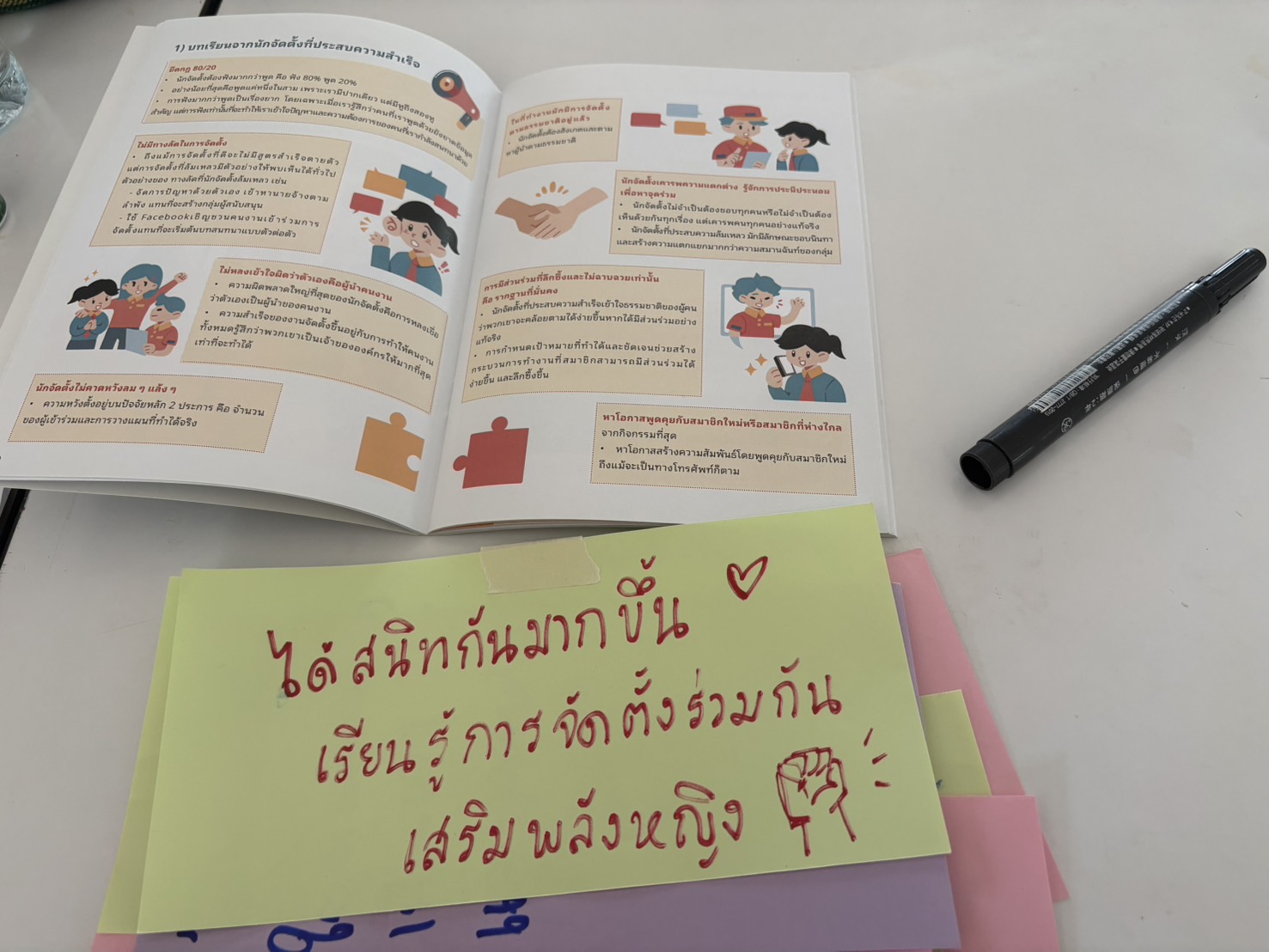
“การจัดตั้ง” ไม่ใช่เพียงการรวมตัวของคนจำนวนหนึ่ง แต่คือกระบวนการสร้างพลังร่วมของผู้คนที่ต้องการเปลี่ยนแปลงชีวิตและสังคมให้ดีขึ้น ในบริบทของแรงงาน โดยเฉพาะแรงงานแพลตฟอร์ม “การจัดตั้ง” จึงมีความหมายลึกซึ้งและหลากหลายมิติ
การจัดตั้งคือการรวมกลุ่มเพื่อหาทางออกของปัญหาร่วมกัน เป็นการเชื่อมโยงผู้คนทั้งในอาชีพเดียวกันและต่างอาชีพเข้าด้วยกัน เป็นการรวมคนที่มีความคิดและความต้องการคล้ายกัน เพื่อสร้างพื้นที่ที่เสียงเล็ก ๆ สามารถรวมกันจนกลายเป็นข้อเรียกร้องที่มีพลัง นอกจากนี้ยังเป็นกระบวนการสร้างสิทธิประโยชน์ร่วม เช่น กองทุนสวัสดิการ และที่สำคัญคือการสร้าง “อำนาจต่อรอง” ให้กับผู้ที่เดิมอาจไม่มีเสียงในระบบ
การจัดตั้งยังหมายถึงการทลายกำแพงระหว่างผู้คน เปิดพื้นที่ให้ทุกอาชีพ ทุกความแตกต่าง สามารถมาเป็น “เพื่อนร่วมทาง” ในการสร้างความเปลี่ยนแปลงร่วมกัน
🛵 การจัดตั้งในหมู่ไรเดอร์: ภายใต้ข้อจำกัดของงานแพลตฟอร์ม
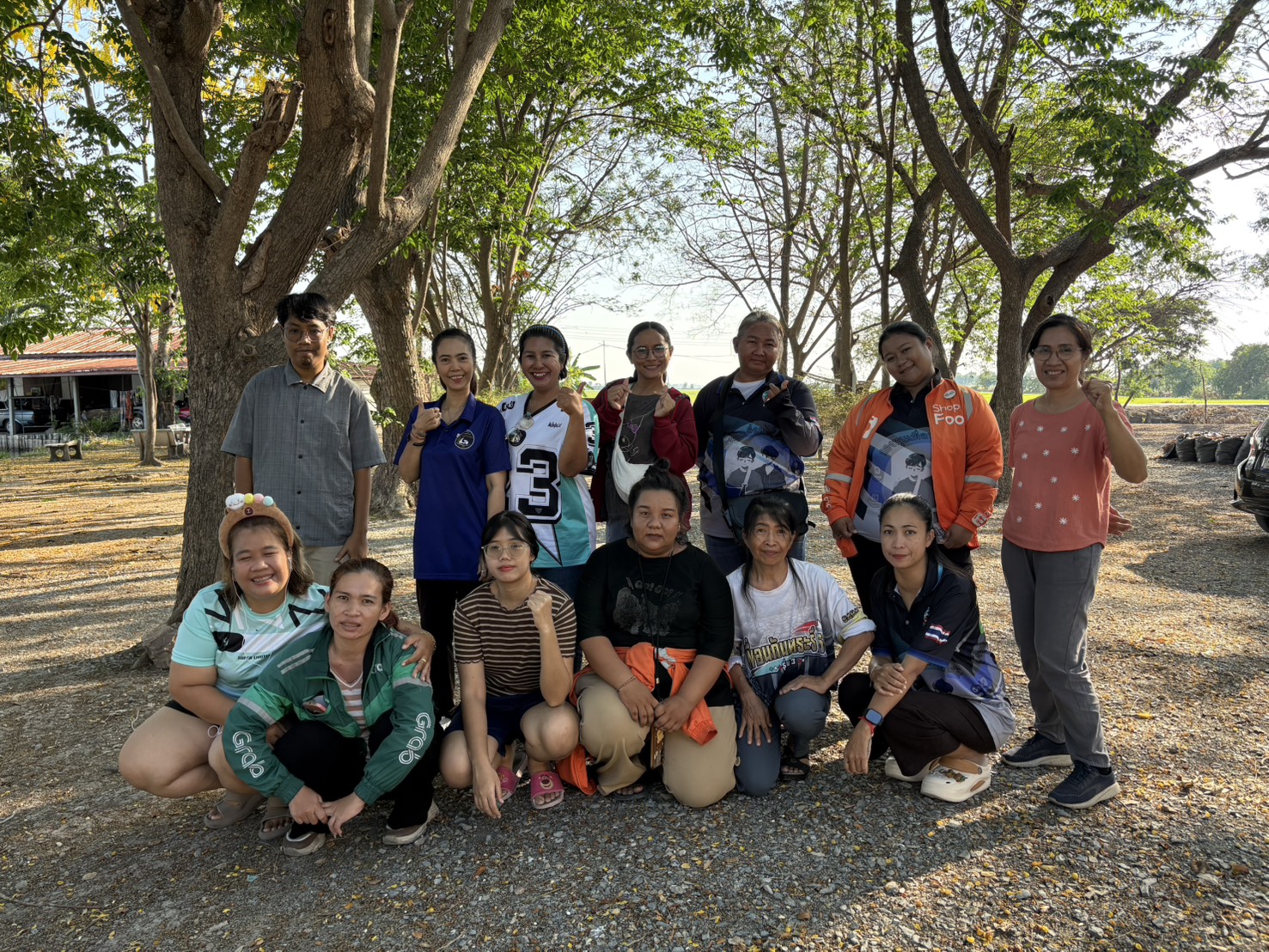
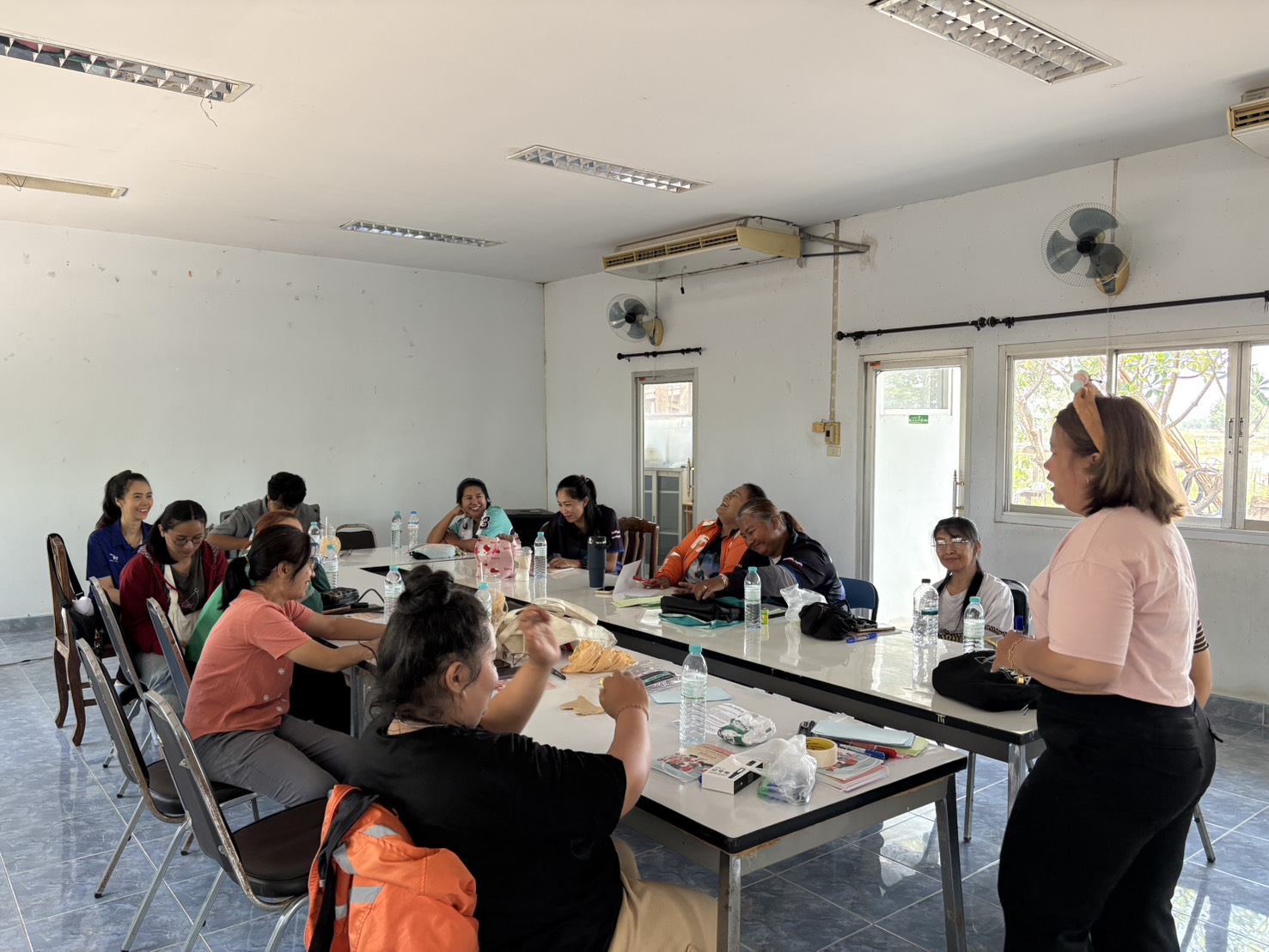
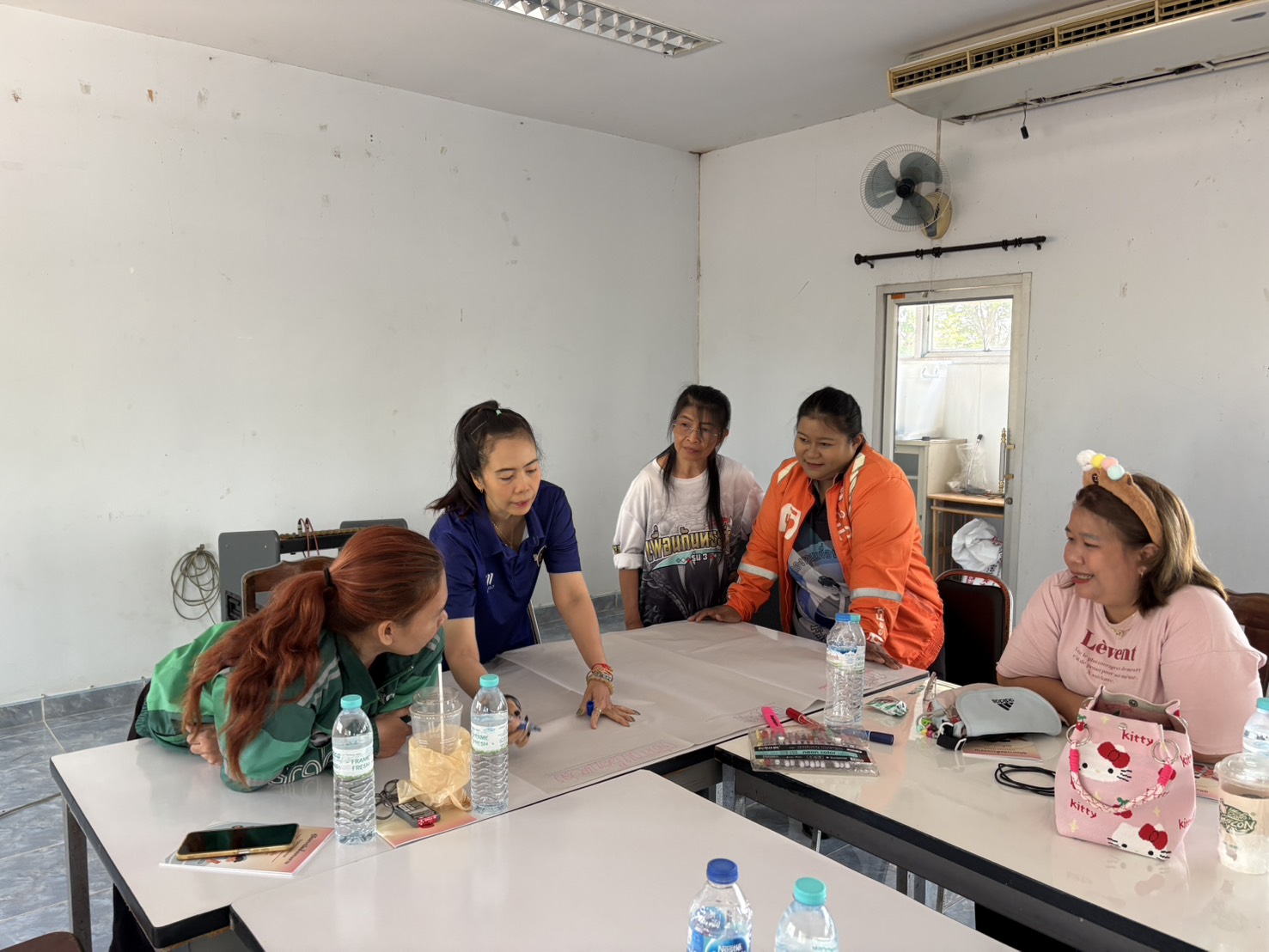
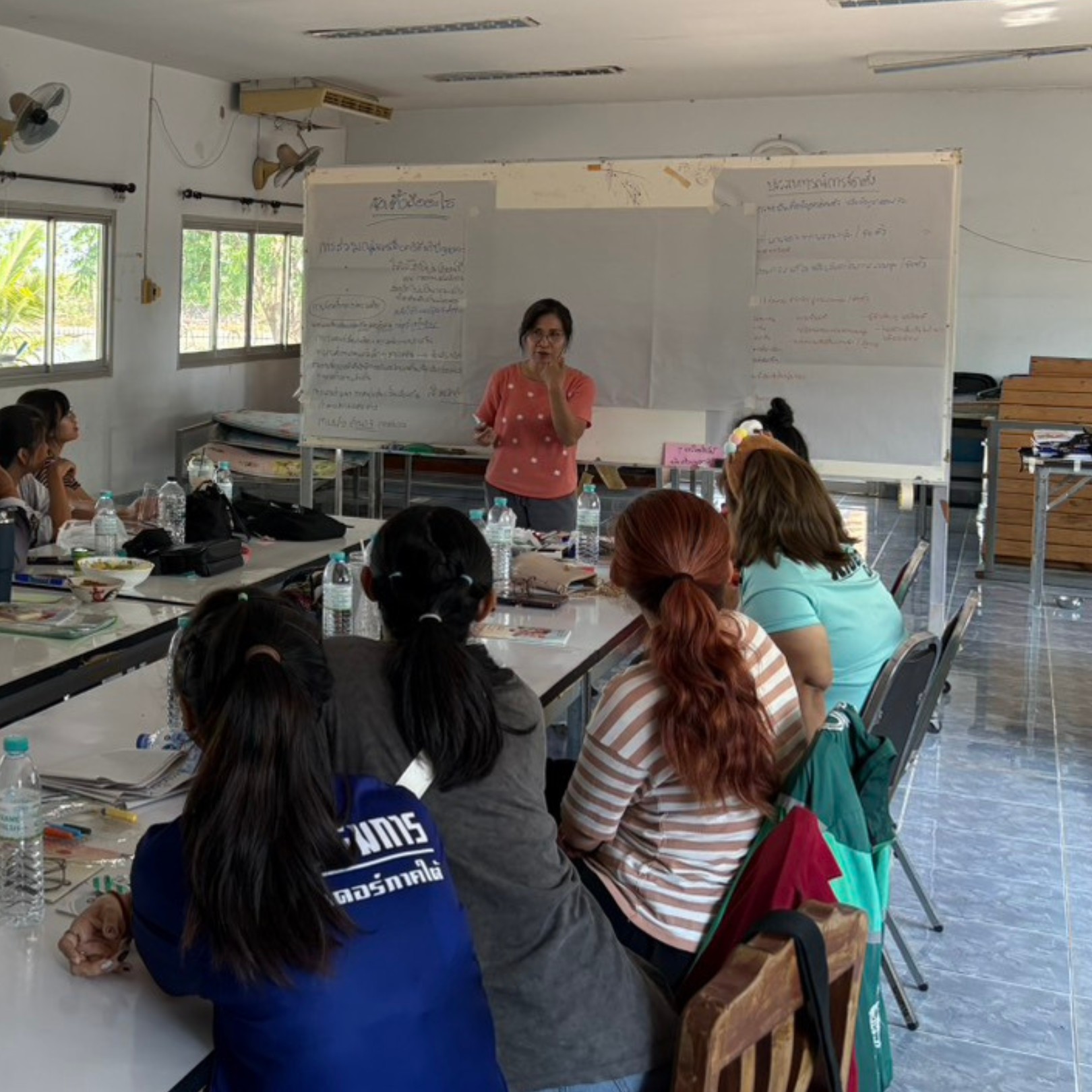
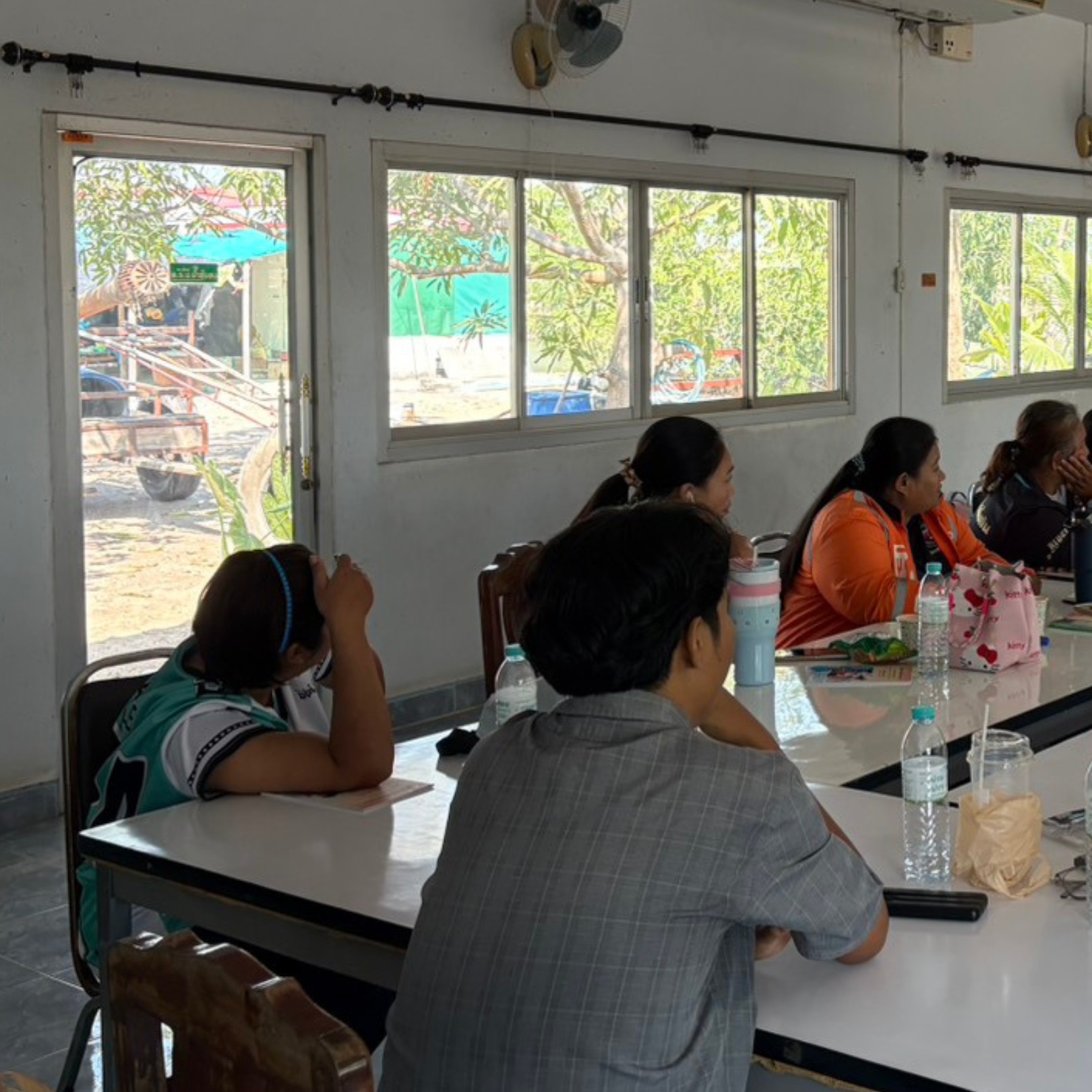
เมื่อวันที่ 29 มีนาคม 2569 Just Economy and Labor Institute ได้ชวนกลุ่มไรเดอร์มาร่วมพูดคุยในประเด็น “การจัดตั้ง” เพื่อแลกเปลี่ยนประสบการณ์และสำรวจแนวทางการรวมกลุ่มในอนาคต
ลักษณะงานของไรเดอร์มีความเฉพาะตัว คือไม่ได้ทำงานอยู่ในสถานที่เดียวกัน และไม่ได้พบเจอเพื่อนร่วมงานคนเดิมอย่างสม่ำเสมอ ทำให้การสร้างความสัมพันธ์และการรวมกลุ่มเป็นไปได้ยากกว่างานรูปแบบอื่น อย่างไรก็ตาม แม้จะมีข้อจำกัดเหล่านี้ ไรเดอร์กลับเชื่อมโยงกันได้ผ่าน “ปัญหาร่วม” ที่ทุกคนต้องเผชิญ
ไม่ว่าจะเป็น
ค่ารอบที่ลดลงอย่างต่อเนื่อง
ความเสี่ยงและอันตรายจากการทำงาน
การถูกคุกคามหรือไม่ได้รับความเป็นธรรม
ปัญหาเหล่านี้กลายเป็นจุดเริ่มต้นของการรวมตัว หลายกลุ่มสามารถรวบรวมเพื่อนไรเดอร์เข้ามาเป็นเครือข่าย เพื่อช่วยเหลือกันในยามฉุกเฉิน เช่น อุบัติเหตุ รถเสีย หรือการให้คำปรึกษาเกี่ยวกับงาน และเมื่อเครือข่ายเติบโตมากขึ้น ก็เริ่มพัฒนาไปสู่การรวมตัวเพื่อเรียกร้องต่อแพลตฟอร์มและภาครัฐ
โดยเฉพาะในพื้นที่กรุงเทพมหานคร ที่เอื้อต่อการเชื่อมโยงกับขบวนการทางสังคมอื่น ๆ ทำให้การเคลื่อนไหวมีความเข้มแข็งและหลากหลายมากขึ้น
🔍 จากการรวมกลุ่ม สู่อนาคตของข้อเรียกร้อง
เวทีในครั้งนี้ไม่ได้เป็นเพียงพื้นที่แลกเปลี่ยนประสบการณ์ แต่ยังเป็นพื้นที่สำหรับการ “คิดต่อ” ว่า เมื่อมีการรวมกลุ่มแล้ว ทิศทางในอนาคตควรเป็นอย่างไร
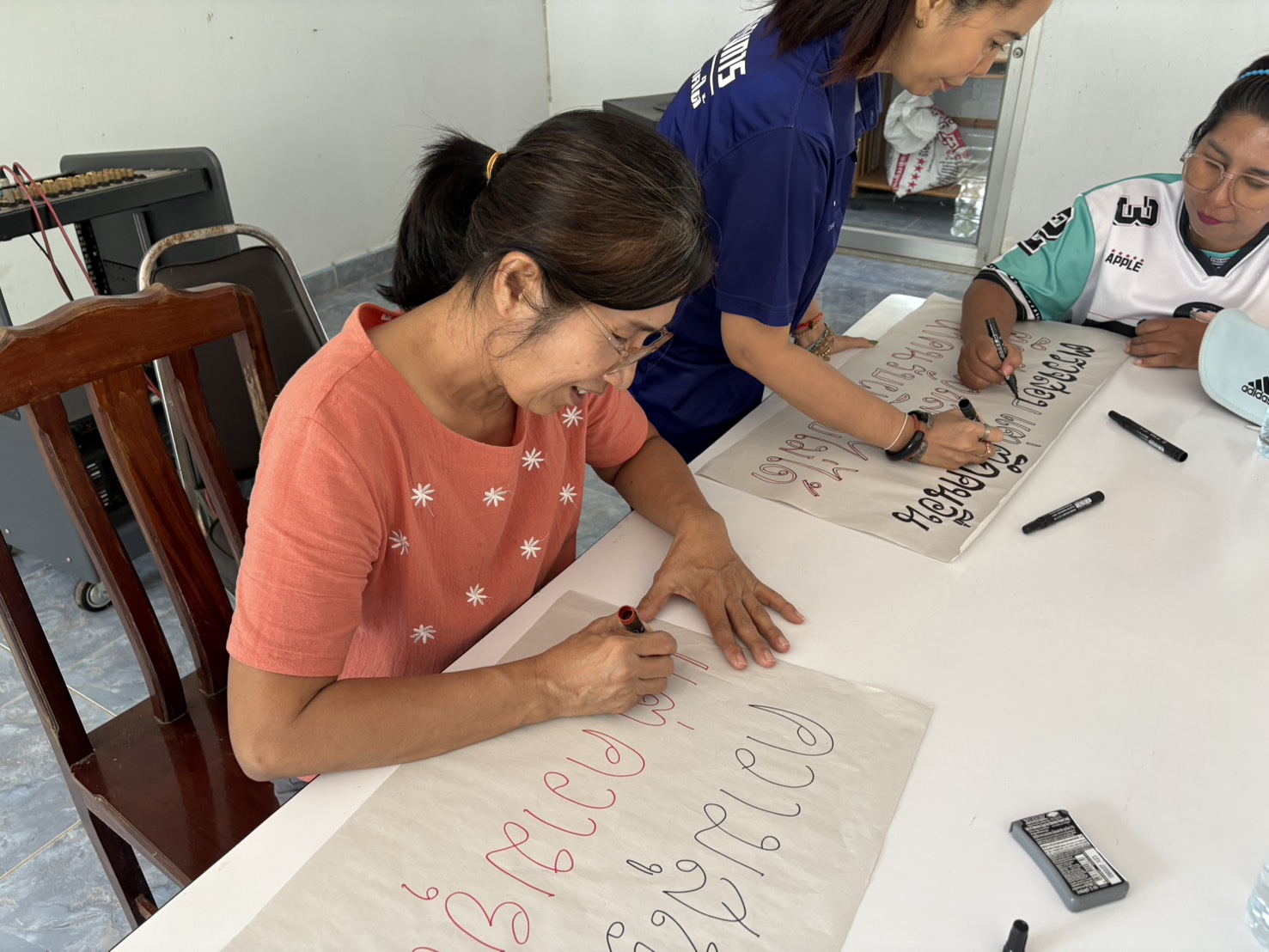
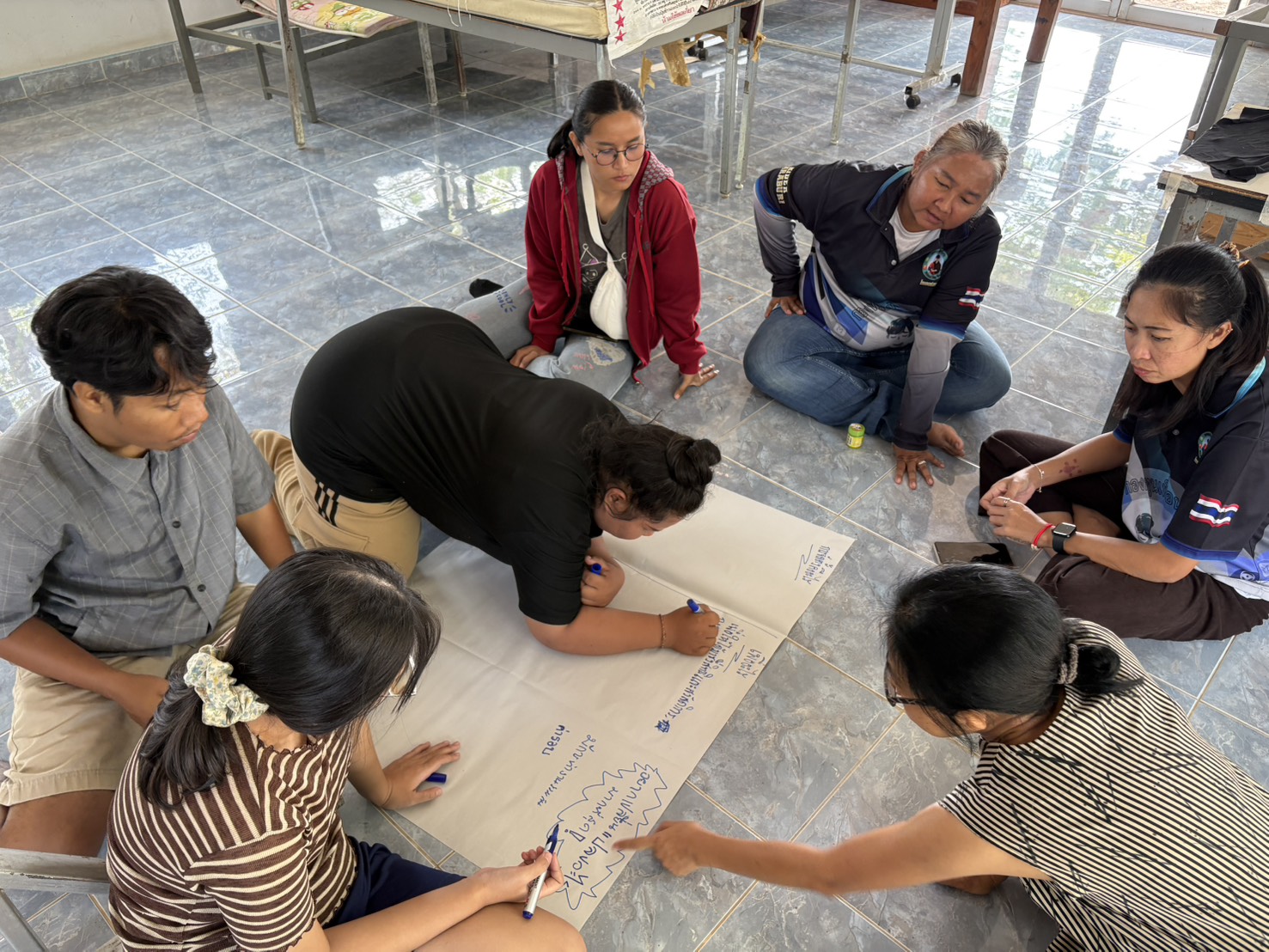
ผู้เข้าร่วมได้ร่วมกันระดมความคิดถึงประเด็นสำคัญที่ต้องการผลักดัน เช่น
ค่าตอบแทน (ค่ารอบ)
อุบัติเหตุจากการทำงาน
ความรุนแรงทางเพศ
สถานการณ์ของแม่เลี้ยงเดี่ยว
สถานะการจ้างงาน
ระบบอัลกอริทึมของแพลตฟอร์ม
สุขภาวะและความปลอดภัยในการทำงาน
เป้าหมายสำคัญคือการทำให้ข้อเรียกร้องเหล่านี้ “ถูกรับฟัง” และนำไปสู่การแก้ไขปัญหาอย่างเป็นรูปธรรม ทั้งในระดับแพลตฟอร์มและนโยบายภาครัฐ
🌱 “การจัดตั้ง” ในฐานะจุดเริ่มต้นของการเปลี่ยนแปลง
ท้ายที่สุด “การจัดตั้ง” ไม่ใช่ปลายทาง แต่เป็นจุดเริ่มต้นของกระบวนการเปลี่ยนแปลงที่ยั่งยืน มันคือการสร้างพื้นที่ให้ผู้คนได้มองเห็นพลังของตนเอง และร่วมกันกำหนดอนาคตที่ต้องการ
ในโลกของแรงงานแพลตฟอร์มที่ยังเต็มไปด้วยความไม่แน่นอน การจัดตั้งจึงไม่ใช่เพียงทางเลือก แต่เป็น “เครื่องมือสำคัญ” ในการสร้างความเป็นธรรมและศักดิ์ศรีในการทำงาน
🤝 “Organizing”: Collective Power for Change
“Organizing” is more than simply bringing people together—it is a process of building collective power among individuals who seek to transform their lives and society. In the context of labor, particularly platform workers, organizing carries multiple layers of meaning.
It is about coming together to solve shared problems, connecting people across occupations, and building communities among those with similar needs and aspirations. It allows individual voices to unite into collective demands, strengthens bargaining power, and enables workers to claim rights and benefits such as welfare funds.
Organizing also breaks down barriers between people, fostering solidarity across differences and turning individuals into allies in the pursuit of change.
🛵 Organizing Among Riders: Challenges and Possibilities
On 29 March 2026, the Just Economy and Labor Institute convened a group of platform riders to discuss “organizing” and exchange experiences from different contexts.
Platform work presents unique challenges: riders do not share a common workplace and rarely meet the same colleagues regularly. This makes relationship-building and collective organizing more difficult compared to traditional forms of employment.
Yet despite these constraints, riders are connected through shared struggles, such as declining pay rates, workplace risks, and unfair treatment. These common experiences have become the foundation for organizing efforts.
Many groups have successfully formed networks to support one another—whether in cases of accidents, vehicle breakdowns, harassment, or the need for work-related advice. As these networks grow, they evolve into collective movements capable of engaging with platforms and government authorities.
In Bangkok, in particular, the proximity to broader social movements has further strengthened these organizing efforts.
🔍 From Collective Action to Collective Demands
This gathering was not only about sharing experiences but also about envisioning the future of organizing.
Participants identified key issues to push forward, including:
Pay rates
Workplace accidents
Sexual harassment and violence
Challenges faced by single mothers
Employment classification
Algorithmic management
Health and safety